Those who stroll through Sexten with open eyes and ears will quickly gain a sense of what defines the village of the
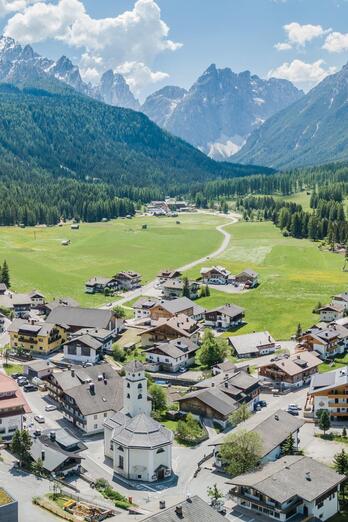
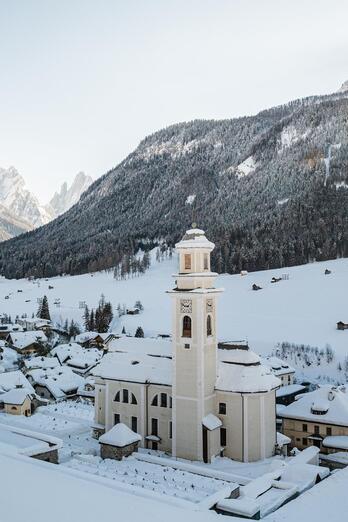
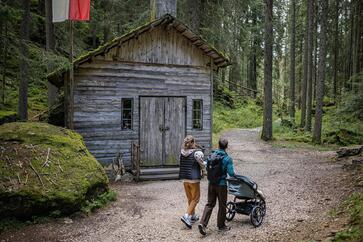
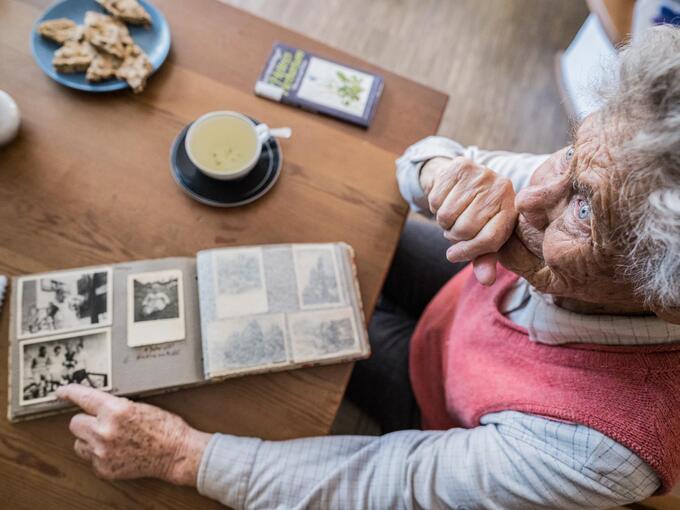
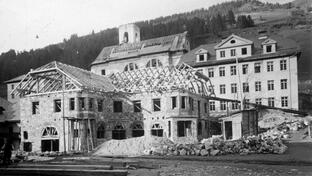
Three Peaks and where its roots lie. Today, it is a popular holiday destination in Pustertal valley. But that was not always the case. For a long time, Sexten was a simple, agriculturally shaped village with long, snowy winters and short summers. Often, only a good connection to God helped. Even today, numerous festivals and traditions shaped by faith tell of that time. But architectural influences also shape the village and tell their own story. There are old farmhouses, carefully brought into the present, with their red geraniums on the balconies telling of tradition and origin. Alongside them stands the monumental
architecture of Clemens Holzmeister – and new buildings that surprise with unique designs. Because here too, Sexten is at the forefront: innovative and sustainable construction in the Alpine region. Another distinctive feature is the Sexten dialect. A peculiar tone of speech that in some cases even differs from neighbouring communities in Hochpustertal valley.